what's compelling
storytelling without exploitation

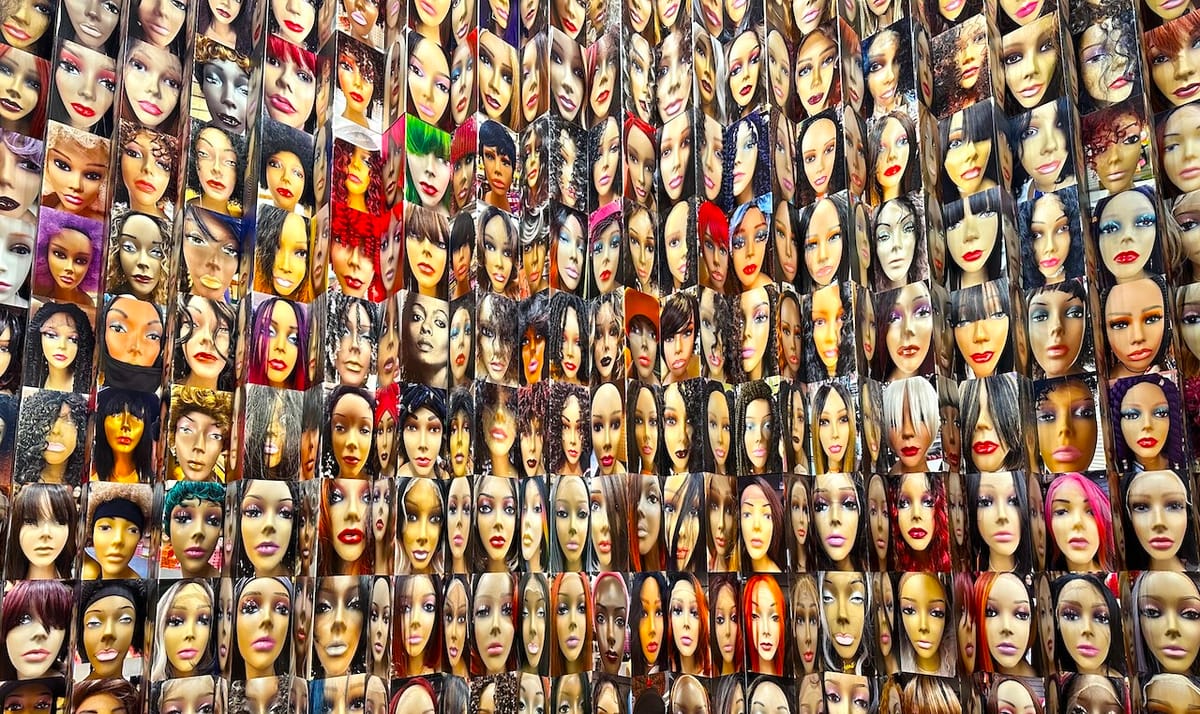
Humans have told stories to each other for as long as there have been stories to tell. Stories predate language, even humans, appearing on caves, as shadows, or in gestures by a fire. The human mind is great at receiving stories, too. A handful of words in a brutal, inefficient language, can still conjure pictures in our minds.
Stories have power even in the modern world. Beyond creative works like films, novels, or poetry, we use our stories to inspire and persuade. In the working world, we use stories to make data tangible and meaningful. We frame people's personal narratives through the hardships they've faced. Service providers tell people's stories in an arc familiar to epic poems. They faced hardship, they overcame, they succeeded, they thrived.
Organizations often use these stories to describe a program and the impact it's had. Numbers are great when they're large. "Oh wow, we helped 1 million puppy children." or "These puppy children earned 300,000 bones for their families." But for most people the numbers are meaningless. What's the context? A former employer claimed to distribute millions of pounds of food each year. But what kind of food was it? Was some of it rotten? Were some of those pounds industrial-sized cans of baby corn? While numbers are great, they don't convey impact like a person's story does. Donors know this too. Storytelling activates a person's imagination in ways that dry reports can't do alone. A person in need makes a compelling recipient of a donor's so-called largesse. Donating to an organization, not a person, is a request to keep doing whatever work they were doing.
Stories can also come at a cost. I've written before about how hard it is to unlace the trauma in some people's stories. Beyond that, a person's story as told by a nonprofit rarely brings them a direct benefit. It's sometimes twisted or repackaged into a different story altogether. That story's loyalty risks lying more with the donor class, less with the person who lived it.
how do we know?
We're now decades out from the era that coined the term "poverty porn." What has changed since then? I am in the business of telling other people's stories. I run focus groups and listening sessions to hear what real people have to say. Here are some of the things I try to watch out for.
What's our editorial bias here?
- What development process do stories go through?
- Who is the primary audience for the story that we're telling?
- If we use a storytelling template, how was it made?
- What role does the original storyteller play in its retelling?
What's the goal of this story?
- Are we shaping it for donor impact or community benefit?
- How did we choose this story to tell?
- Are we describing a person's own agency in their story, or are we the heroes?
Are we treating these stories with care?
- Do we have metrics around story generation?
- What does one individual story mean to us?
- For how long will we use a person's story or likeness?
making better stories
How can we tell people's stories without bringing more harm to them? It comes down to agency. Who has it? Who gets the final word on how we portray the stories we tell? Is the storyteller better off having told us that story? What else can we do to limit the negative impacts we may have on a person?
Help people tell their stories in their own way. People with limited power face exploitation when they have no other options available. Our noble intentions aren't enough to continue that exploitation for our own gain.
Include storytellers in the full development process. Describe the goal of your stories to people you're soliciting stories from. Explain how you plan to use the stories. People's experiences are unique—we don't have the right to tell their story in perpetuity. Set a length of time that you want to share their story.
Include storytellers in your profit sharing. Compensate them according to the amount of time you'll use their story and the income you will earn from it.
Challenge the systems that created the conditions your storytellers endure. Instead of manipulating a person's story, add context to their experience. Explain to your audience the change we need to keep others from going through what they went through.
I see storytelling as a collaborative process. The people who interact with us are more than outputs. Their lives extend well beyond that of a recipient of our services. In systems of justice, we see community action as peers supporting peers. A thin line often separates the person offering a service and the person receiving them. But everyone deserves respect. No story is worth more than the person who lives to tell it.
People in one or more of these groups can use the discount code POWER at checkout to buy this book for $1. People who want to change their board at an organization with an annual budget of less than $500,000 can use code BOARD to buy this book for $50.


 Except where otherwise noted, the essays on this site are licensed under a