i turn my camera on
(with apologies to Spoon)

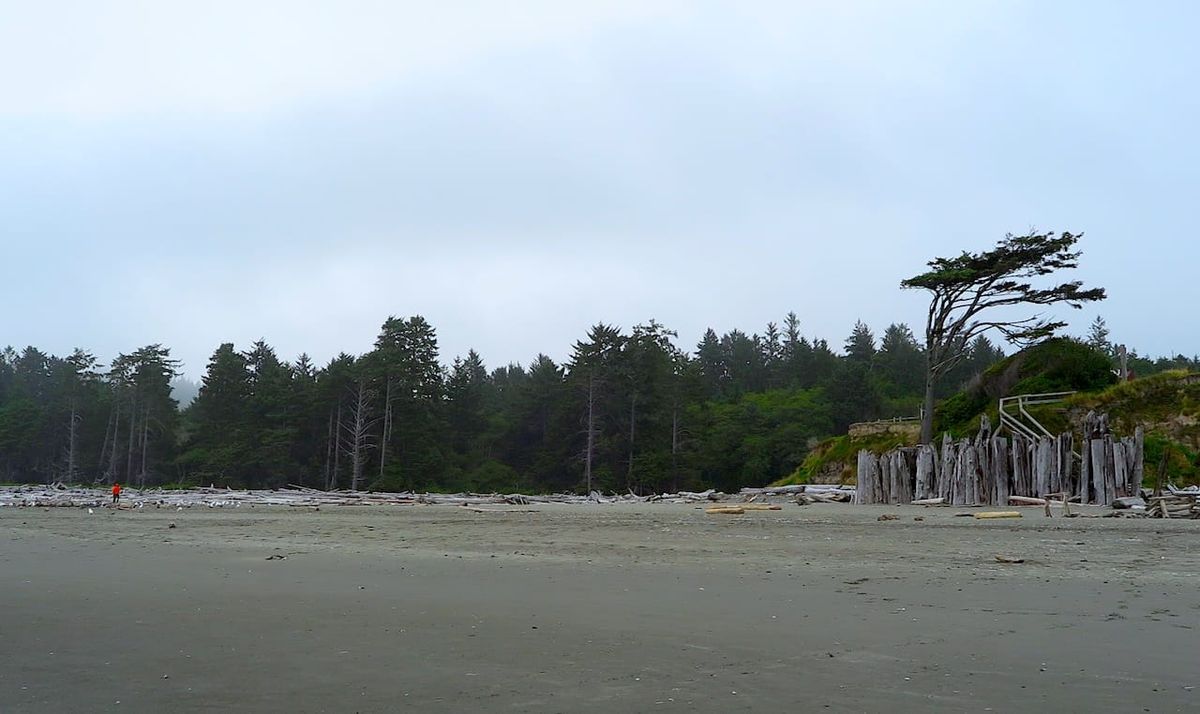
About a year ago I started looking at digital cameras. I describe myself as a perpetual hobbyist because I love trying out new things. I wanted to take a photography class, and the good classes near my house required a fancy camera. The hobby would've had a practical purpose. Most of the photos on be the future are ones I've taken over many years. I'm starting to feel like I've run out. It's taken me a year because I'm allergic to impulsive purchases (except for tinned fish). But the thought lingered; the tabs piled up. I wanted a camera that wasn't attached to the distraction machine in my pocket.
Like a good number of Gen Zers, I've grown disenchanted by my phone's camera. It's convenient but not intentional. Or I'll go days without realizing I haven't taken any photos. My phone comes out but I'm as likely to check my email as I am to take a picture. It didn't take me long (a year lol) to realize that I didn't need to spend over a grand to buy the camera I wanted. I didn't need a fancy expensive DSLR with interchangeable lenses. A decade-old point-and-shoot gives me a camera I can bring everywhere at a fraction of the cost. I bought one about a week ago. It's so much fun to use!
storytelling
Why was a camera so important to me? Photography fixes a moment in time. Light enters the lens like a rudimentary eye. The film or digital sensor collects an imprint of the light that reaches it. But photography is not impartial—it's an art form, impressionistic. We decide what to focus on. We choose the angle, the lighting, whether we want our subjects to pose or act natural. AI smoothing and digital effects are now native to phone cameras. Before them, retouching and other analog tricks accomplished the same thing. With these tools we can even appear to edit reality itself. David Levi Strauss writes, "We manipulate images, in part, to obscure how much they are manipulating us." These manipulations are choices. Every time we take a picture, we choose what to remember and how to remember it.
the sum of memory
Photos tell a story in ways that extend beyond the artifact itself. A collection of photos can carry memories of an entire age. They can speak to a life or a fragment of one. My archive of pictures, sorted in date stamped folders, speak volumes to me now. They tell stories of cooperation, friendship, family, distance, and solitude. Given enough time, my photos become my memories. They keep a record of days I might otherwise forget. They fix in time the people I filled my life with, the ones I spent those days with. I hope I have many memories left to make. I'm grateful to have found another small way to remember them.

 Except where otherwise noted, the essays on this site are licensed under a